
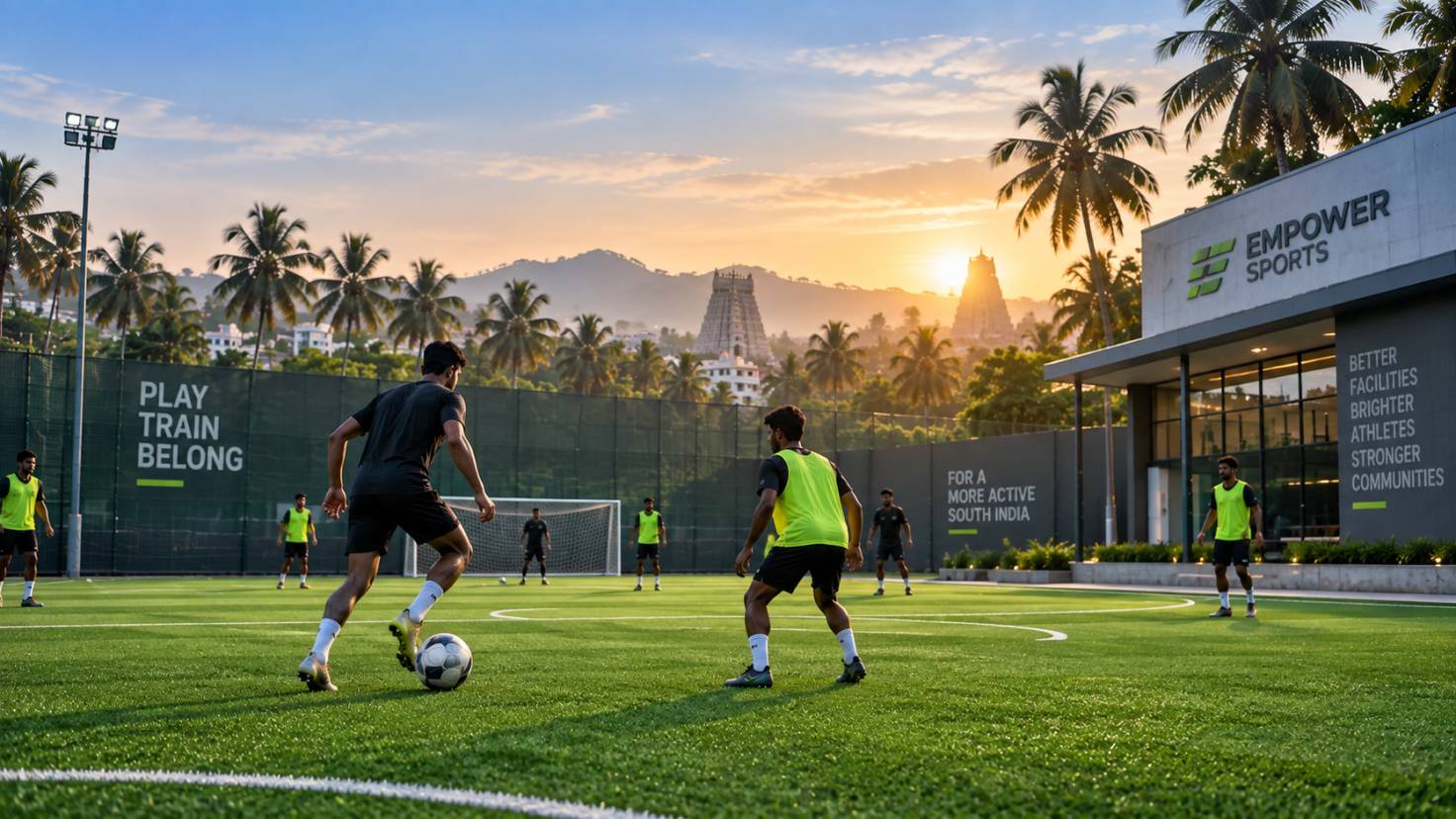
South India’s Football Turf Opportunity: Durable, Low-Maintenance Solutions for a Growing Market
The South Indian market—anchored by Tamil Nadu, Kerala, Karnataka, Telangana, and Andhra Pradesh—presents a unique set of opportunities for football infrastructure. A growing ecosystem around the Indian Super League, school-level programs, and private clubs has increased demand for reliable, high-quality turf solutions that deliver consistent playability with manageable maintenance. This article introduces a practical framework for stakeholders considering football turf projects in major South Indian cities, focusing on durability, maintenance simplicity, and the business rationale behind smart turf investments.
Why the South Indian Football Market Presents a Key Commercial Opportunity
- Growing interest in football in tier-one and tier-two cities creates demand for high-quality turf that can withstand humid, monsoon-driven seasons without excessive maintenance.
- Facilities that can support multiple sports (football, box cricket, and practice nets) tend to offer better utilization and ROI, especially in schools and corporate setups.
- Localized procurement and partnerships with experienced infrastructure providers can help minimize lifecycle costs and ensure timely project delivery.
Turf Material Choices: Durability, Playability, and Maintenance in Humid Climates
Choosing the right turf involves balancing performance with lifecycle costs. While the brief hints at a broader trend toward football-focused infrastructure, practical guidance for stakeholders includes:
- Material considerations: Selecting synthetic turf systems designed for multi-use football and training environments that prioritize ball roll, shock absorption, and consistent surface response across seasons.
- Climate resilience: In humid, monsoon-prone regions of South India, turf systems must resist microbial growth, drainage challenges, and surface compaction. A well-designed drainage plan and proper infill management contribute to longevity and consistent playability.
- Usage versatility: Facilities that support football alongside other activities (e.g., box cricket and training nets) should be planned with modular layouts and compatible surface textures to minimize downtime between uses.
Editorial interpretation: Decisions about turf type, pile height, backing, and infill are highly project-specific. Do not rely on generic claims. Engage with a reputable supplier and an experienced local contractor who understands monsoon cycles, field usage patterns, and maintenance capabilities in your city.
Maintenance Playbook: Simple, Scalable Practices for South Indian Clubs and Schools
Maintenance strategy is a critical lever for ROI. The following practical steps help ensure turf surfaces remain playable and safe throughout the year:
- Drainage-first planning: Verify that the field design includes an effective drainage strategy to minimize waterlogging after heavy rains, which can degrade turf performance if neglected.
- Regular grooming: Schedule routine grooming to keep fibers upright and prevent compacted infill from clumping. This supports even ball roll and reduces injury risk.
- Infill management: Monitor and adjust inorganic fill materials to maintain appropriate surface density and shock absorption characteristics. Uneven infill can alter play quality and surface safety.
- Cleaning protocol: Establish a simple cleaning routine to remove debris, which helps preserve drainage channels and reduces microbial buildup in humid climates.
- Seasonal inspection: Conduct periodic surface inspections for seam integrity, edge wear, and drainage performance, coordinating repairs with a qualified installer or maintenance partner.
Editorial interpretation: A lean maintenance plan with clear responsibilities (facility manager, nearby service partner, and school/club staff) can keep operating costs predictable. Prices and service packages vary by city and provider, so use this as a framework rather than a fixed quote.
Designing for Multi-Use: Football, Box Cricket, and Net Practice Considerations
South Indian facilities often aim to maximize field hours through multi-use design. Considerations include:
- Hard-wearing surface: For box cricket nets and football play areas, ensure the surface can tolerate multi-directional movement, quick direction changes, and repeated foot traffic without rapid wear.
- Netting and layout: Use protective netting and well-positioned practice nets to isolate activities as needed while preserving space for football drills and scrimmages.
- Safety margins: Adequate run-off areas, proper padding around boundaries, and clear markings contribute to safer training environments, especially for youth programs.
Editorial interpretation: The goal is to maximize usability and minimize downtime between activities. This often requires collaboration among architects, turf installers, and facility managers from the early design stage.
The Business Case: Project Economics, Partnerships, and ROI Signals
A robust business case helps secure funding and ensures long-term sustainability of sports infrastructure. Key considerations include:
- Utilization-driven ROI: Higher daily field hours translate into better amortization of capital expenditure. Multi-use facilities may offer diversified revenue streams (training programs, camps, facility-hire, sponsorship-friendly events).
- Lifecycle costs: Consider not only upfront installation costs but ongoing maintenance, routine replacements, and potential re-turfing intervals. Effective maintenance reduces total cost of ownership over time.
- Local partnerships: Collaborations with educational institutions, corporate groups, and municipal entities can yield shared-use models that improve utilization and financial resilience.
Editorial interpretation: While the precise economics will depend on site-specific factors, a well-planned facility with clear utilization goals and a partner network can improve financial predictability and stakeholder buy-in.
Practical Guidance for Stakeholders in Tamil Nadu, Kerala, Karnataka, Telangana, and Andhra Pradesh
Region-specific guidance helps developers and operators make informed decisions:
- Tamil Nadu (Chennai, Coimbatore, Tiruchirappalli): Prioritize climate-resilient drainage and shade management for turf edges to reduce heat buildup and wear. Consider proximity to educational institutes for tie-ups with youth programs.
- Kerala (Kochi, Thiruvananthapuram, Kozhikode): Humidity and rainfall patterns call for robust cleaning routines and microbes-control measures. Multi-use facilities near schools can drive community engagement.
- Karnataka (Bengaluru, Mysuru, Mangaluru): Urban clubs and schools seek scalable maintenance models with predictable costs. A modular design approach can enable phased rollouts tied to funding cycles.
- Telangana (Hyderabad, Secunderabad): High demand for year-round training facilities; emphasize drainage and quick surface recovery after rains to maximize field hours.
- Andhra Pradesh (Vishakhapatnam, Vijayawada, Guntur): Growth in private academies makes turnkey partnerships attractive; ensure compliance with local licensing and facility-use norms while prioritizing safety standards.
Editorial interpretation: The regional guidance above is practical, but-do not substitute it for a site-specific feasibility study. Local regulatory requirements, school/club procurement policies, and climate data should drive final design decisions.
Empower Sports: How We Help Build Sustainable Football Infrastructure
Empower Sports specializes in sports infrastructure development with a focus on South India. Our approach emphasizes:
- Consultation and design support tailored to local climates and usage patterns, helping clients define multi-use requirements and budget boundaries.
- End-to-end execution with experienced installers who understand regional challenges, ensuring on-time delivery and quality craftsmanship.
- Maintenance-ready configurations and clear service plans to keep facilities safe, playable, and financially sustainable over time.
Editorial interpretation: This section presents Empower Sports as a trusted partner for planning, implementing, and maintaining football turf and related facilities. Specific terms, warranties, and service packages should be confirmed during engagement discussions.
Invitation to Discuss Your Next Project
If you are planning a football turf project in Tamil Nadu, Kerala, Karnataka, Telangana, or Andhra Pradesh, get in touch with Empower Sports to discuss your goals, site constraints, and budget. We can help you translate ambition into a practical, phased plan that aligns with your community or club’s needs.
Contact Empower Sports to schedule a free initial consultation and receive a regional, site-specific feasibility outline that highlights surface options, maintenance requirements, and a phased implementation roadmap.
Conclusion: Turning Vision into Playable, Sustainable Football Turf
South India’s diverse markets present a compelling case for football turf investments that prioritize durability, maintainability, and multi-use capability. By combining thoughtful turf selection with practical maintenance practices and regionally aware project planning, clubs, schools, and corporates can unlock reliable play, stronger community engagement, and a solid return on investment. Empower Sports stands ready to partner with you on your next stadium, academy, or school project—delivering outcomes that stand up to monsoon seasons and long-term use.